
Key Takeways
- DCTs move some or all study tasks to your home or a nearby clinic.
- Less travel means more people can join research.
- Safety rules stay the same as in traditional studies.
- Some studies still need site visits, so always ask for details.
Quick Answer
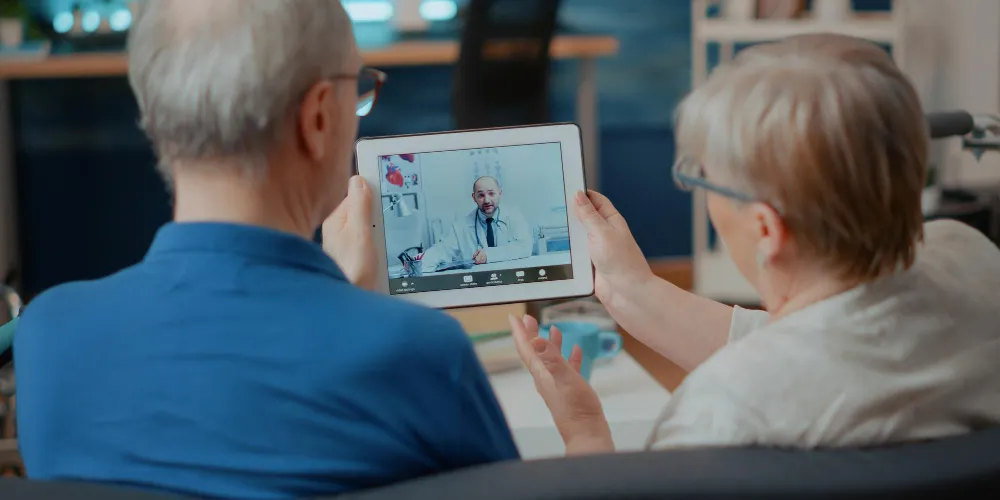
Decentralized clinical trials (DCTs) are research studies where some or all of the study steps happen outside a traditional research site. Instead of going to a clinic for every visit, you may often take part from home. You might have video visits with your study doctor. A nurse might come to you, and study medicine can arrive at your door. Secure apps and wearable devices collect your health data. The safety and ethics rules are the same as in any other study. Many trials also mix home visits and site visits, so you only travel when it is truly needed.
Introduction
Imagine a clinical trial that fits around your life. No long drives. No missed shifts. For many families, travel is the biggest barrier to joining research. Fortunately, decentralized clinical trials are changing that.
In this guide, you will learn how they work, why they matter, and how safety works. Additionally, you will see who may still need on-site visits. First, let’s cover the basics.
What Are Decentralized Clinical Trials?
So, what are decentralized clinical trials? They are studies where some tasks happen away from the research site. Often, that means your home or a clinic near you. The research question stays the same. Only the setting changes. Therefore, you can take part without rearranging your whole week.
What does “decentralized” mean in plain terms?
Decentralized means spread out instead of centered in one place. In a traditional trial, the research site handles nearly every task. In a DCT, the work spreads across your home, local labs, and online tools.
For example, you might answer questionnaires on a phone. Likewise, a nurse may visit you to draw blood. Your study doctor still oversees everything.
How do DCTs differ from traditional trials?
Traditional trials require frequent site visits, often every few weeks. Decentralized clinical trials cut many of those trips.
However, they do not remove the research team. Instead, the team connects with you by video, phone, or app. Consequently, you spend less time in traffic and waiting rooms. The table below shows the main differences.
| Feature | Traditional Trial | Decentralized Trial | Hybrid Trial |
|---|---|---|---|
| Visits | All at the research site | Mostly at home or online | Mix of home and site |
| Travel | Frequent | Minimal | Moderate |
| Data collection | Paper forms and site equipment | Apps and wearable devices | Both methods |
| Monitoring | In person | Remote | Remote and in person |
How Do Decentralized Clinical Trials Work?
Decentralized clinical trials follow the same basic steps as any study. First, you review the study and give consent. Next, you complete scheduled tasks. The difference is where those tasks happen. Furthermore, research staff stay in touch throughout the study.
Which parts of a trial can happen at home?
Many routine tasks can move out of the clinic. Common examples include:
- Signing consent forms online, with a nurse on video
- Video check-ins with your study doctor
- Home nurse visits for blood draws or vital signs
- Study medicine delivered to your door
- Symptom diaries completed on your phone
Of course, some procedures, like scans, still need special equipment.
What technology do participants use?
Most studies use a secure app or web portal. You log symptoms, answer surveys, and message the team there. Some trials also supply wearable devices, such as a watch or blood pressure cuff.
These tools send data to the research team automatically. As a result, your doctor can spot changes early. Don’t worry if you are not tech-savvy, because teams provide training and phone support.
What is a hybrid trial?
A hybrid trial blends home tasks with site visits. You might visit the clinic for a scan, then handle follow-ups from home.
This model suits studies that need both specialized tests and flexibility. In fact, most DCTs today use a hybrid design. Therefore, ask the study team which tasks happen where before you join.
Why Is the Importance of Decentralized Clinical Trials Growing?
The importance of decentralized clinical trials becomes clear when you see who misses out on research. Distance, work, and caregiving duties keep many people away. Therefore, DCTs aim to close that gap.
How do DCTs widen access for patients and families?
For instance, rural residents often live hours from the nearest research site. Parents and caregivers struggle to take time off. People with mobility issues face extra barriers. DCTs bring the study closer to these groups.
Ultimately, research can reflect a more diverse group of patients. That matters because treatments should work for everyone, not just those near a big hospital.
How do they improve retention and data quality?
Unfortunately, many participants leave trials because of travel burden. Fewer trips often mean fewer dropouts. Moreover, wearables record data continuously rather than once a month.
This gives researchers a fuller picture of how a treatment works day to day. In turn, this shift can help studies finish faster. Better data and steady participation help new treatments reach patients sooner.
Are Decentralized Clinical Trials Safe, and Are They Right for You?
Safety comes first in every study, whether at a site or at home. Independent ethics boards review each trial before it starts. Meanwhile, regulators such as the FDA set clear standards.
How do research teams protect your safety?
First, your study team monitors your health through video visits and device data. Secure systems protect your personal information. You can call the team with any concern. Also, trained nurses check on you at home when needed. If something looks wrong, the team acts quickly. Finally, you can leave a study at any time.
Who may still need on-site visits?
Some people and studies need in-person care. For example:
- Studies that test treatments given by infusion or injection
- Trials that require imaging, such as MRI or CT scans
- Participants whose conditions need close, frequent exams
So, talk with the study doctor to learn what fits your situation.
Conclusion
DCTs bring research closer to everyday life. They use home visits, apps, and wearables to cut travel while keeping safety standards high. Still, many studies use a hybrid design, so some site visits may remain. Overall, the importance of decentralized clinical trials lies in wider access and better participation.
If you are curious about decentralized clinical trials, a simple conversation can help. You can ask questions, learn what a study involves, and decide at your own pace. Clinical Investigations Texas (CIT) has supported Phase I to IV research for over a decade, and our team is happy to talk. Your questions are welcome, and joining is always your choice.
Frequently Asked Questions
What are decentralized clinical trials in simple terms?
They are research studies that happen partly or fully outside a clinic. Often, you complete tasks at home using video visits, apps, and nurse visits. Your study team still guides and monitors you.
Are decentralized clinical trials safe?
Yes, they follow the same safety rules as traditional trials. Ethics boards review each study, and your team monitors your health closely. Furthermore, you can reach staff at any time with questions.
Do I still visit a research site in a DCT?
Possibly, because many studies use a hybrid design. For instance, you may visit for scans or key tests, then finish other tasks at home. Ask the study team for the full visit schedule.
What is the importance of decentralized clinical trials for patients?
They reduce travel and time away from work, which makes joining research easier. As a result, more patients can access new treatment options. This also helps studies include a wider range of people.
How do I find out if I qualify for a decentralized trial?
Start by contacting a research site and sharing your condition. Then, staff will review the study criteria with you in plain language. A short screening call or visit usually confirms whether you qualify.